Marine biotoxins are compounds produced by certain species of microalgae that can accumulate in bivalve shellfish, rendering them unfit for human consumption. Although they are natural phenomena, their occurrence has increased due to climate change and alterations in coastal ecosystems. In this article, we take an in-depth look at the different types of toxins, how they are monitored, and best practices for mitigating their effects.
What Are Marine Biotoxins
Marine biotoxins are chemical substances produced by toxic dinoflagellates and diatoms. When bivalves filter these microalgae from the water, the toxins accumulate in their tissues.
Main Types of Biotoxin
- DSP – Diarrhoeic Shellfish Poisoning
- PSP – Paralytic Shellfish Poisoning
- ASP – Amnesic Shellfish Poisoning
Each toxin has different health effects and is subject to strict legal limits.
How Do Red Tides Occur?
Red tides, also known as Harmful Algal Blooms (HABs), occur when certain types of microalgae multiply rapidly.
Contributing factors include:
- Rising water temperatures
- Excess nutrients in the water
- Poor water circulation
- Climate change
Marine Biotoxin Monitoring Systems
The bivalve industry is one of the most closely monitored food sectors in the world.
Regular Sampling
Specialised teams collect:
- Water samples
- Phytoplankton
- Bivalve tissue samples
Laboratory Analysis
Accredited laboratories use:
- Chromatography
- Bioassays
- Spectrometric techniques
to measure toxin levels accurately.
Digital Alert Systems
Modern platforms combine:
- Laboratory data
- Oceanographic sensors
- Satellite imagery
allowing increasingly accurate forecasting of toxic events.
Impact on Production
The presence of marine biotoxins can lead to:
- Immediate suspension of harvesting
- Direct economic losses
- Reduced market confidence
- Prolonged relaying periods
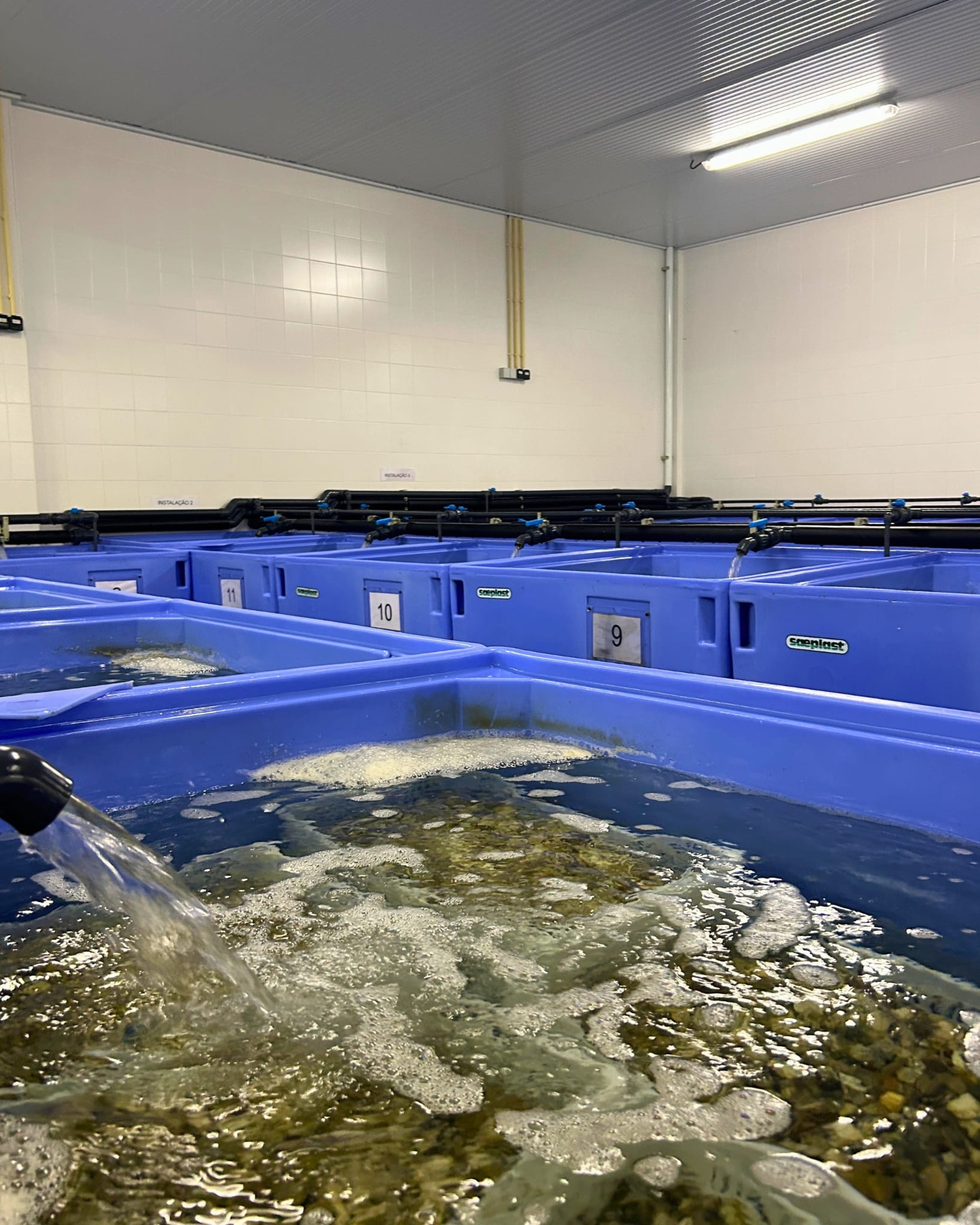
Marine biotoxins cannot be removed through traditional depuration processes, requiring bivalves to remain in clean waters until toxin levels return to legally acceptable limits.
Preventive and Adaptive Strategies
Producers adopt several strategies to manage biotoxin risks, including:
- Geographical diversification of farming areas
- Continuous monitoring using sensors
- Partnerships with research institutions
- Selection of sites with strong water renewal
- Robust communication and traceability plans
Marine biotoxins are an unavoidable challenge, but one that can be effectively managed through science, monitoring and best practices. The bivalve industry is increasingly well prepared to anticipate and mitigate these events, ensuring food safety and economic continuity.