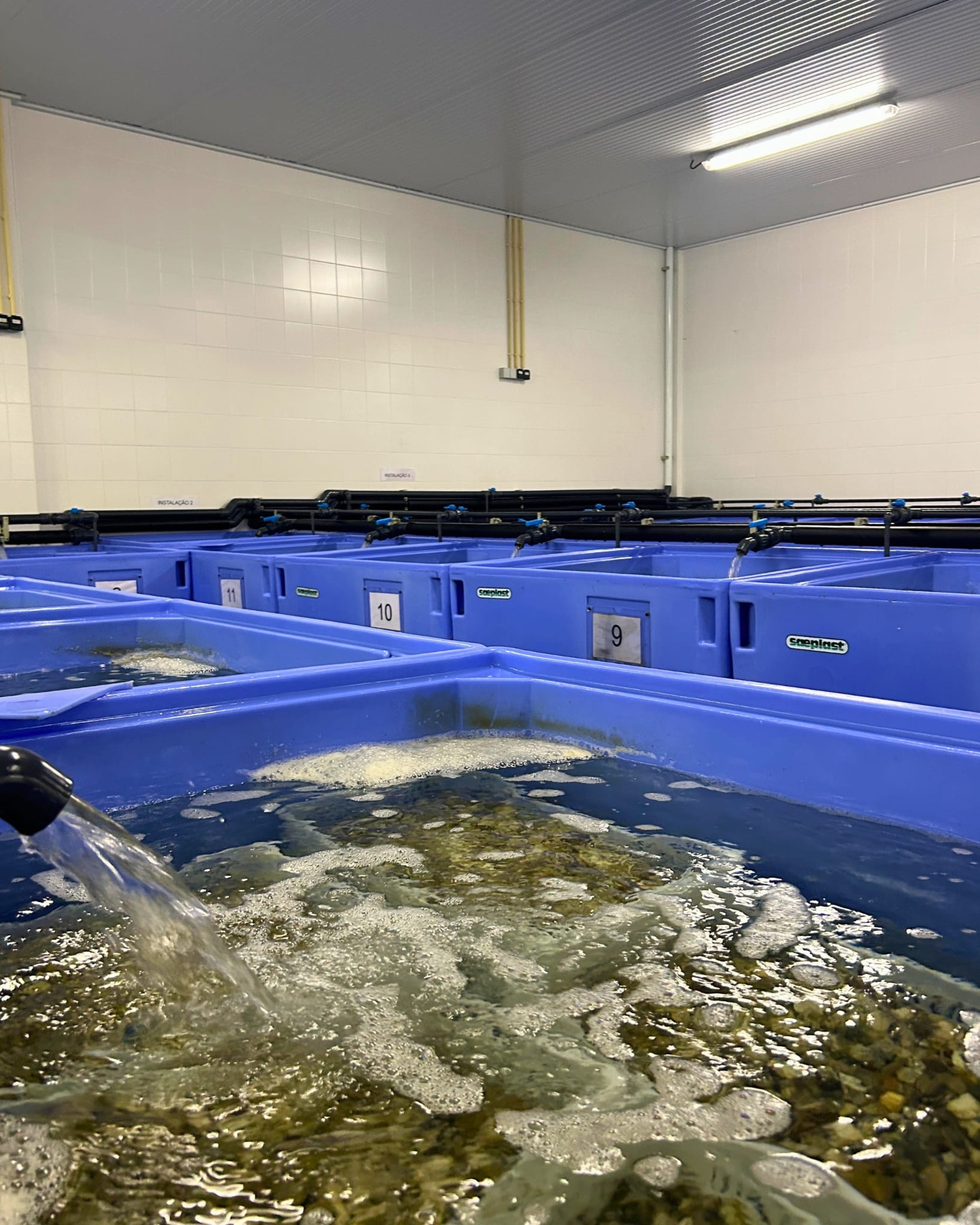
Bivalves are filter-feeding organisms capable of processing dozens of litres of water per day. This characteristic allows them to grow naturally and efficiently, but it also makes them extremely sensitive to the quality of the environment in which they live. To ensure they reach consumers safely, continuous monitoring of water quality in production areas is essential. This article explores the key parameters, control techniques and the ecological importance of this process.
Why Is Water Quality So Important?
Filter-Feeding Organisms
Bivalves filter water in order to feed. If that water is contaminated, they may accumulate:
- Bacteria
- Viruses
- Heavy metals
- Marine biotoxins
- Fine sediments
Food Safety
Water quality determines:
- Whether an area is classified as Class A, B or C
- Whether depuration is required
- Whether harvesting must be suspended
Regularly Monitored Parameters
The most important parameters include:
Microbiological
- E. coli (mandatory indicator)
- Enterococci
- Enteric viruses (assessed in specific cases)
Physico-Chemical
- Salinity
- Temperature
- pH
- Turbidity
- Dissolved oxygen
Biological
- Presence of toxic phytoplankton (red tides)
- Chlorophyll-a
How Is Monitoring Carried Out?
Monitoring is conducted through:
- Regular sampling by vessels
- Fixed automatic monitoring stations
- Continuous-reading IoT sensors
- Accredited laboratories
Data integration into digital platforms enables rapid alerts to producers.
European Classification of Production Areas
This classification determines whether bivalves may be harvested and marketed:
- Class A: direct sale permitted
- Class B: depuration required
- Class C: prolonged relaying required
These rules are defined under Regulation (EC) No 854/2004 and subsequent amendments.
Impacts of Poor Water Quality
Poor water quality can lead to:
- Temporary closure of production sites
- Significant economic losses
- Public health risks
- Delayed harvesting
- Additional relaying or depuration requirements
Water quality is not merely a legal requirement — it is the foundation that determines both the economic and sanitary viability of bivalve production. Investing in monitoring, technology and environmental management is an investment in the future of the sector.